


Call Us
7196345386

9608 Waterbury Dr, Peyton, CO 80831, US
Serving Peyton, Serving Colorado Springs & Nearby Areas
(719)634-5386

9608 Waterbury Dr, Peyton, CO 80831, US
Call Us
7196345386
Serving Colorado Springs & Nearby Areas
(719)634-5386
Stucco Repair in Peyton: Catch Cracks Before Colorado Winters Make Them Worse
- Signs Your Stucco Needs Professional Repair
- Hairline Cracks You Can Watch Instead of Repairing Right Away
- Why Peyton Stucco Cracks Widen After Hail and Winter Freezes
- What Happens During a Professional Stucco Repair
- Stucco Repair Pricing, Permits, and Questions to Ask Before Hiring
- What should I expect when your team arrives to look at my stucco?
- When is the best time to schedule stucco repair before winter hits Peyton?
- How do I know if a stucco crack is just cosmetic or something bigger?
- Does hail damage always show up right away on my stucco walls?
- Can I just patch small stucco cracks myself instead of calling a professional?
Signs Your Stucco Needs Professional Repair
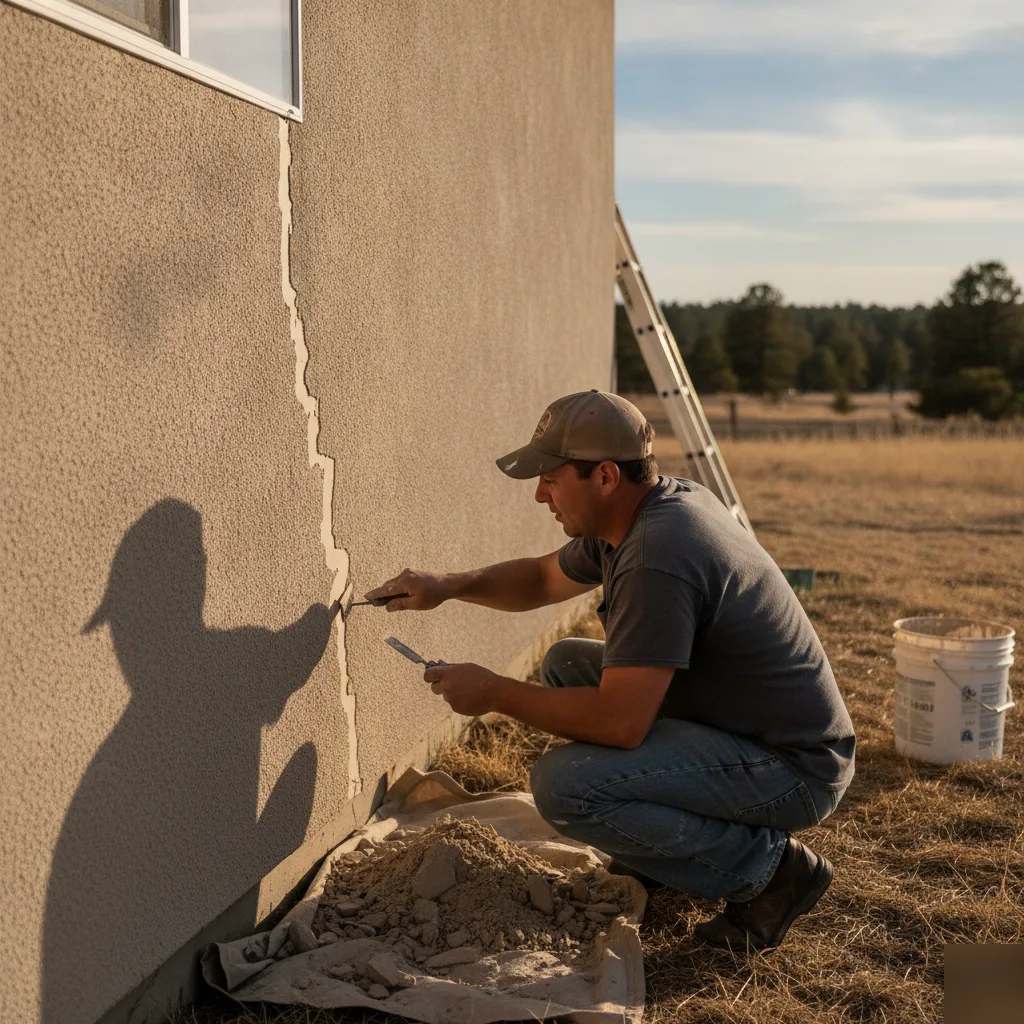
Hairline cracks don't always mean trouble. But when those cracks start spreading, or when you notice dark streaks running down your walls after a rainstorm, something deeper is going on.
The most common sign we see is stair-step cracking around windows and door frames. Peyton sits at roughly 6,800 feet with expansive clay soils that shift hard during freeze-thaw cycles. That ground movement puts stress on stucco walls in ways that lower-elevation homes just don't experience. One winter can turn a small crack into a gap wide enough to let moisture behind the wall.
Here's what to watch for:
- Cracks wider than a credit card's thickness, especially near corners or where walls meet the roofline
- Soft or spongy spots when you press on the stucco surface
- Bubbling, bulging, or sections that sound hollow when you tap them
- Dark staining or green discoloration that keeps coming back after cleaning
That hollow sound is the one that worries us most. It means the stucco has separated from the lath or substrate underneath, the bond is broken. Water gets trapped in that gap, and in a climate with 200-plus freeze-thaw cycles per year like we get along the Front Range, trapped moisture turns into real structural damage fast.
, the homeowner who calls us noticed a water stain on an interior wall first. By the time moisture shows up inside, it's been working behind the stucco for weeks or months. So if you spot anything on the outside that looks off - don't wait for it to show up in your living room.
And here's one people miss: stucco that's pulling away from trim boards or flashing. Newer construction in Peyton's subdivisions along Meridian Road sometimes shows this within the first decade because of how quickly homes went up during the building boom. Gaps at those transitions are entry points for wind-driven rain and snow.
Not every crack needs professional stucco repair. But soft spots, hollow sounds, and recurring moisture stains do. Those are signs the problem is behind the surface where DIY caulk can't reach.
Hairline Cracks You Can Watch Instead of Repairing Right Away
Not every crack in your stucco means you need to pick up the phone. remodeling and repair work in Colorado Springs
Hairline cracks are thin. We're talking about lines thinner than a credit card's edge. They show up on almost every stucco home eventually, and in Peyton's high desert climate they're especially common. The daily temperature swings out here can be brutal. A summer day might hit 90 degrees, then drop into the 50s overnight. Stucco expands and contracts with those shifts, and tiny surface cracks are just the material responding to stress. That's normal movement. It doesn't mean your wall is failing.
So how do you know if a hairline crack is harmless? Mark it. Grab a pencil and draw a small line at each end of the crack. Write the date next to it. Check it again in 30 days, then 60. If the crack hasn't grown past your marks, it's stable. If no moisture is getting behind it, you can leave it alone for now.
Here's what separates a "watch it" crack from a "fix it now" crack:
- Hairline cracks that run horizontally along a wall's surface and stay the same width are usually cosmetic
- Cracks near window or door corners often result from normal settling in the sandy, loose soils common across El Paso County
- Any crack wider than 1/16 of an inch needs attention, it's no longer a hairline issue
But be honest with yourself about what you're seeing. when someone tells me they've been "watching" a crack for two years, it's gotten worse and they just didn't want to deal with it. That's when a small fix turns into a bigger project involving remodeling and repair work in Colorado Springs.
And if you notice staining below the crack, that changes everything. Water stains mean moisture is already traveling behind the surface. A stable, dry hairline crack is cosmetic. A wet one is structural - even if it looks small.
We tell people to think of hairline cracks like a check engine light that flickers once. Note it. Keep an eye on it. But if it stays on, don't ignore it. The goal isn't to repair every tiny line you see. It's to know which ones matter before they cost you real money.
Why Peyton Stucco Cracks Widen After Hail and Winter Freezes
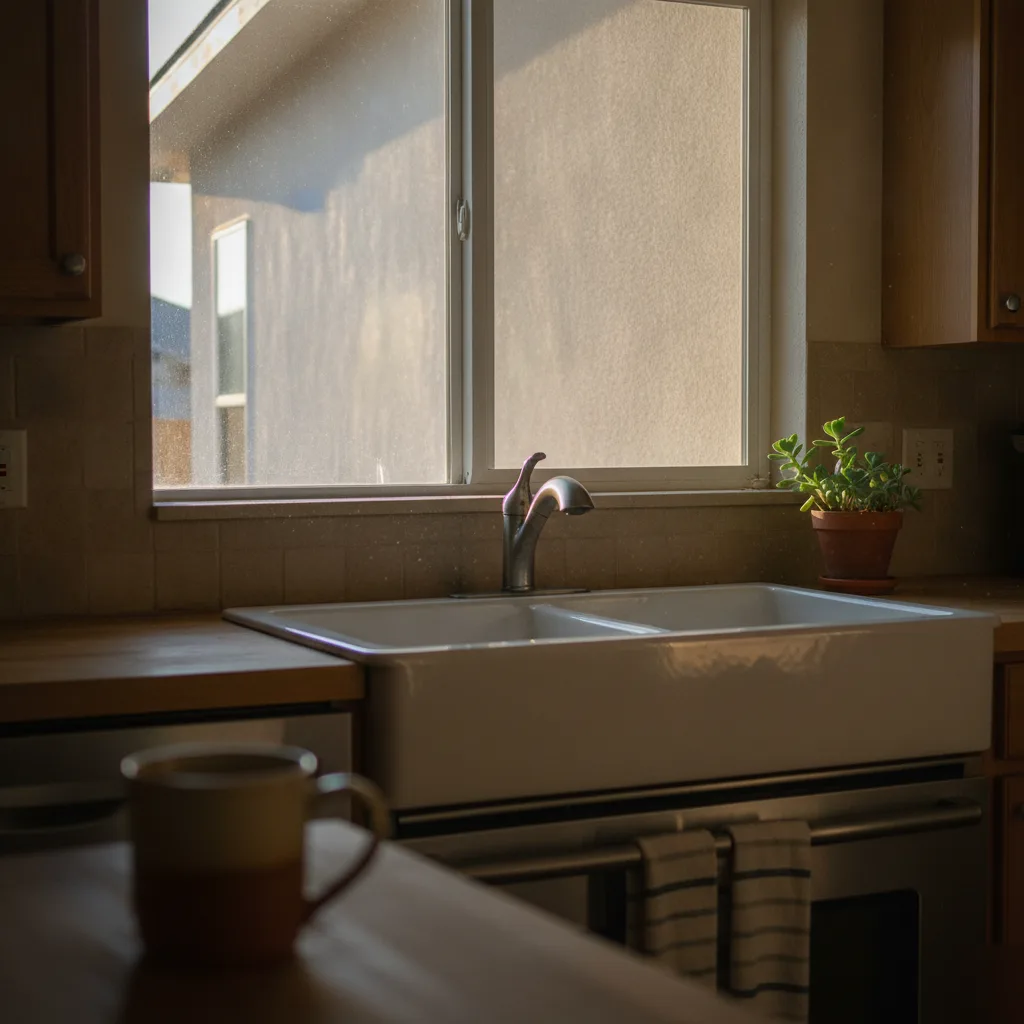
A hairline crack in stucco doesn't stay hairline for long out here. Peyton sits at roughly 6,800 feet elevation on the eastern plains of El Paso County, where temperature swings of 40 to 50 degrees in a single day are normal from October through April. That kind of cycling does real damage to stucco that already has a small crack or chip.
Here's what happens. Water gets into a tiny crack during afternoon snowmelt. That night the temperature drops below freezing. The water expands as ice, pushing the crack open a little wider. Next day it thaws. Next night it freezes again. This freeze-thaw cycle can repeat dozens of times in a single Colorado winter, and each round makes the crack bigger. We see stucco that looked fine in September with quarter-inch gaps by March.
Then there's hail. Peyton and the broader Highway 24 corridor east of Colorado Springs sit in one of the most active hail zones in the country. Even small hailstones chip the hard outer coat of a stucco wall. Those chips expose the brown coat underneath, which isn't meant to handle direct moisture. Larger hail can punch craters into the finish that go unnoticed on a north-facing wall for months. By the time a homeowner spots the damage, water has already been working its way behind the surface.
And that's the real problem. Stucco repair gets more involved once moisture reaches the lath or sheathing behind it. What started as a simple patch job turns into cutting out sections, replacing rusted lath, and rebuilding layers.
, the homeowners who call us in spring say the same thing: "I thought that crack was no big deal last fall." It wasn't, back then. But Peyton's climate doesn't leave small problems alone. The combination of high-altitude UV exposure breaking down the surface, hail creating entry points, and relentless freeze-thaw widening every opening means stucco damage here moves fast. Faster than most people expect. A crack you could cover with a pencil in August can swallow a dime by the time the snow melts - and by then you're looking at a much bigger repair.
What Happens During a Professional Stucco Repair
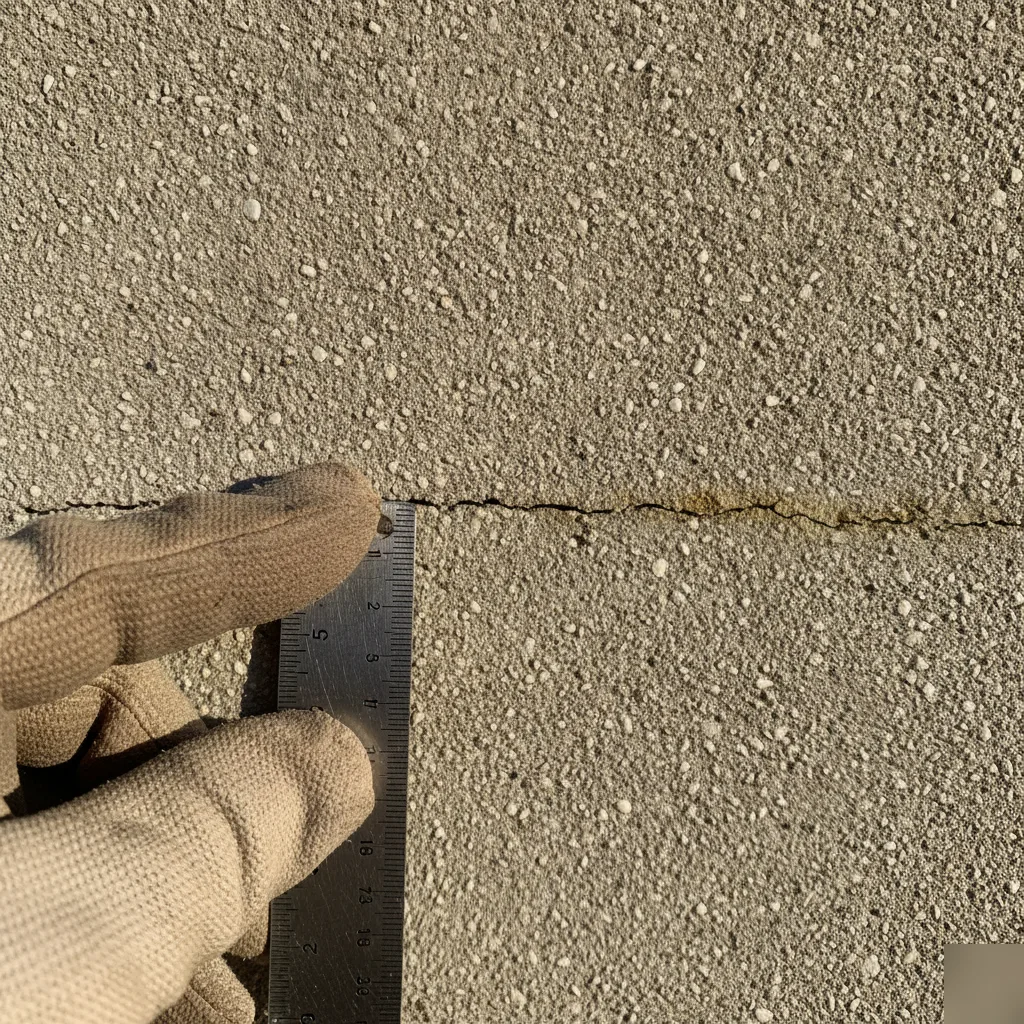
Most folks picture someone just slapping mud on a wall. That's not how it works.
A proper stucco repair starts with finding the full extent of the damage. We tap around the visible crack or hole with a mallet. Hollow sounds mean the stucco has pulled away from the lath underneath. What looks like a six-inch crack on the surface can hide a two-foot section of delaminated material behind it. We don't guess, we check every inch before cutting anything out.
Once the real scope, we cut away the damaged stucco back to solid material. Clean edges matter here. If you leave crumbling stucco at the border, the new patch won't bond and you'll be calling somebody again in a year. We inspect the wire lath and building paper underneath. Out here in Peyton, where afternoon hailstorms roll off the Palmer Divide with little warning, we often find torn moisture barriers behind impact damage. That barrier has to be right before any new stucco goes on.
Then comes the actual application. Stucco repair isn't one coat. It's typically three:
- The scratch coat bonds to the lath and gets scored so the next layer grips it.
- The brown coat builds thickness and gets leveled flat.
- The finish coat matches the existing texture on your wall.
Each coat needs proper cure time. Rushing this step is the single biggest mistake we see from previous patch jobs. And in Peyton's dry climate with humidity often below 20 percent, we have to mist the coats to keep them from drying too fast. Skip that step and the stucco cracks right back open.
Texture matching is where experience really shows., a homeowner's biggest concern is whether the repair will blend in. We match the original texture pattern and can color-match the finish so the patch doesn't look like a Band-Aid on your wall. But getting it right takes patience and a feel for the material that you only build over years of doing this work. We've been at it since 1994, so the feel is there.
If you've got a section of stucco that's been nagging at you, give us a call and let's figure out what's going on behind it.
Stucco Repair Pricing, Permits, and Questions to Ask Before Hiring
Stucco repair costs depend on a few things that are easy to understand once you know what drives them. The size of the damaged area matters most. A hairline crack on one wall costs far less than replacing a full section where moisture got behind the scratch coat. Depth of damage is the other big factor. Surface-only fixes stay affordable, but once the wire lath or substrate needs replacing, labor and materials jump fast.
Most contractors in this trade price by the square foot for larger jobs and by the hour or flat rate for smaller patch work., the estimate hinges on three things:
- How much stucco needs to come off before new material goes on
- Whether the underlying sheathing, building paper, or lath is damaged
- The finish texture you need matched
Texture matching is where a lot of bids vary. A smooth or light sand finish is straightforward. But a heavy dash or custom pattern takes more skill and time, so it costs more. Ask any contractor how they plan to match your existing texture before you sign anything.
Permits in El Paso County typically aren't required for cosmetic stucco repair. But if the work involves structural changes to the wall or if you're replacing large sections down to the framing, you may need a building permit. Always ask your contractor whether they'll pull one if it's needed. A contractor who brushes off that question is waving a red flag.
Here's what to ask before you hire anyone for stucco repair:
Do they carry general liability insurance? Will they remove damaged material down to the problem or just skim over it? How do they handle color and texture matching? Have they worked on homes in Peyton where the alkaline soil and dry climate cause specific bonding challenges? And do they guarantee the prep work, not just the top coat?
We've carried full general liability insurance and maintained our BBB A+ rating since 2000. We don't mind hard questions, they're the ones that matter most before any stucco gets mixed.
Frequently Asked Questions
Common questions about stucco repair in Peyton.
Call 719-634-5386 Now to Get a Free Estimate
Veteran-owned, BBB accredited, fully insured. Serving Peyton and the surrounding Colorado Springs area since 1994.